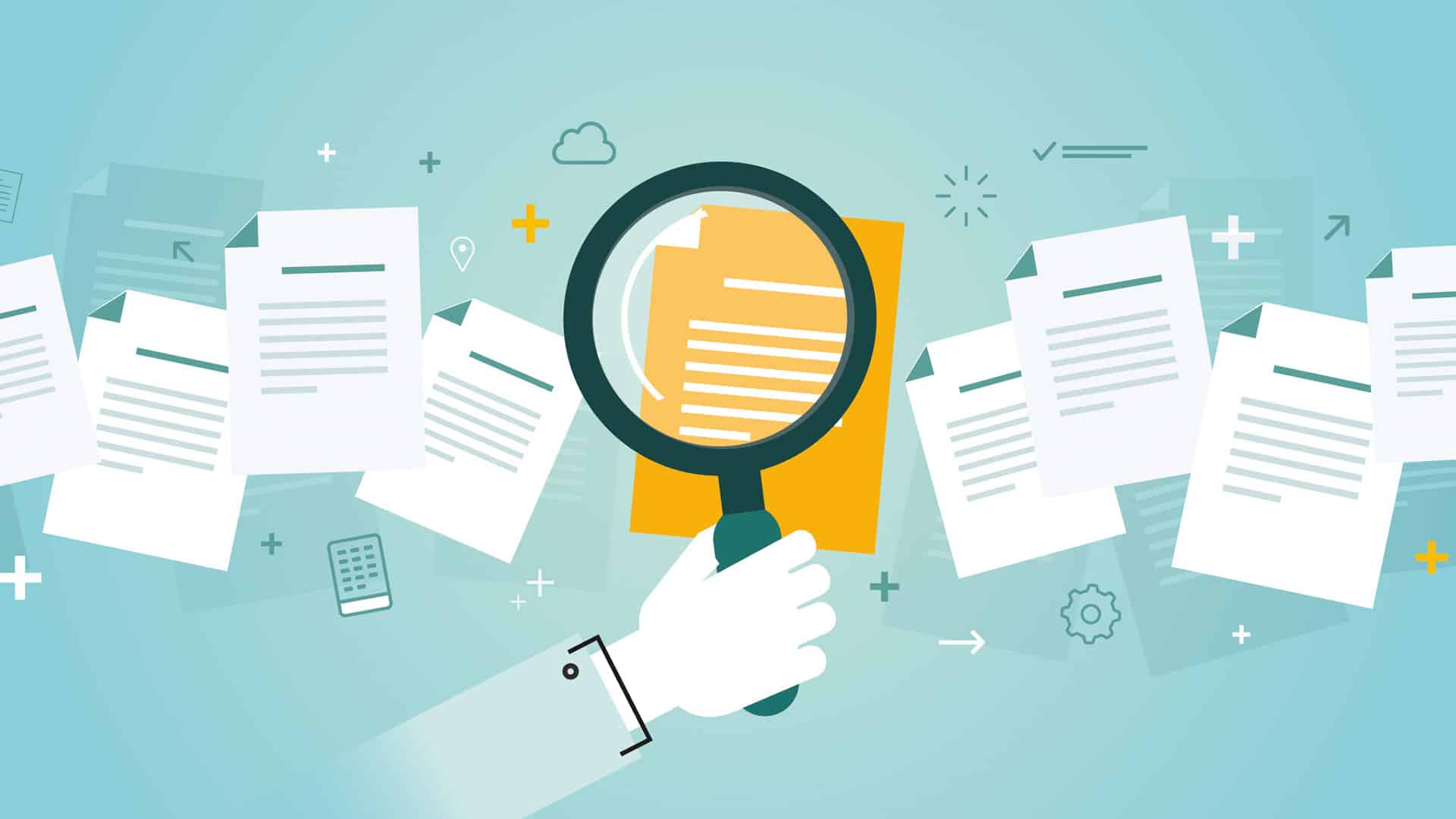

When applying for a mortgage, you will usually need proof of identity and address, recent bank statements, evidence of your income and deposit, and details of any existing financial commitments.
The exact documents depend on the lender and your circumstances. If you’re employed, you may need recent payslips and your latest P60.
If you’re self-employed, lenders commonly ask for SA302s and Tax Year Overviews, with business accounts or further information sometimes required.
Mortgage lenders use these documents to verify the information on your application, assess affordability and complete the necessary identity and regulatory checks.
If you’re preparing to buy your first home in Bristol, having your paperwork ready before you apply can reduce the chance of missing documents holding up your mortgage application.
What Can You Use As Proof Of Identity?
A valid passport or UK driving licence will usually be accepted as proof of identity, although individual lender requirements can differ.
If you have recently changed your name, you may need to provide supporting evidence, such as a marriage certificate or deed poll. This allows the lender to match your identification with the details on your mortgage application.
What Can You Use As Proof Of Address?
Your lender will normally ask for a document confirming your current address.
A recent utility bill, council tax statement or bank statement showing your name and address may be accepted.
Many lenders expect these documents to have been issued within the last three months, although requirements can vary between lenders.
What Proof Of Income Do You Need For A Mortgage?
The documents you need will depend on how you earn your income.
If you’re employed, lenders will usually ask for recent payslips and may also request your latest P60. If you receive overtime, bonuses or commission, further evidence may be needed to show how regularly you receive this income.
If you’re self-employed, lenders commonly ask for SA302s and Tax Year Overviews to confirm your declared income.
Some lenders may also request business accounts or information prepared by your accountant, particularly if your income is more complex or you have recently become self-employed.
Further evidence may be needed where your income comes from several sources or varies throughout the year.
Why Do Mortgage Lenders Ask For Bank Statements?
Recent bank statements give the lender a broader picture of your finances.
They can show your income being paid into your account, regular household spending and existing financial commitments. Your statements may also be used to confirm your savings and where your mortgage deposit has come from.
It is common to worry about individual transactions appearing on your bank statements. Lenders are generally more interested in your overall financial position, regular commitments and whether the statements support the information provided on your application.
What Evidence Do You Need For Your Mortgage Deposit?
Your lender will need to establish where your deposit has come from.
If you have saved the deposit yourself, recent bank or savings statements will usually be used to demonstrate this.
If a family member is providing a gifted deposit, the lender will normally ask for a gifted deposit letter confirming that the money does not need to be repaid.
The person providing the gift may also need to supply identification or bank statements. These checks help the lender verify the source of the funds and meet anti-money laundering requirements.
Do You Need To Provide Details Of Loans And Credit Cards?
Yes. Although the lender will carry out a credit search, you may still be asked for information about your existing financial commitments.
This could include personal loans, credit cards, car finance, childcare costs, maintenance payments and other regular commitments.
These outgoings can affect how much you can borrow, as the lender will consider them as part of its affordability assessment.
What Property Details Will Your Mortgage Lender Need?
Once you have had an offer accepted, your lender will need information about the property you are buying.
This will usually include the property address, agreed purchase price and details provided by the estate agent or solicitor.
The lender will then arrange a mortgage valuation to check that the property provides suitable security for the mortgage.
Why Might A Mortgage Lender Ask For More Documents?
Being asked for additional paperwork does not necessarily mean there is a problem with your mortgage application.
Once the lender has reviewed your documents, they may need clarification or more recent information before making a final decision.
For example, they could ask about a large payment shown on a bank statement, request updated payslips if your application has taken longer than expected or ask for further evidence where your income comes from more than one source.
Responding promptly to these requests can help keep your mortgage application moving.
What Should You Prepare Before Applying For A Mortgage?
Before applying, check that your identification is valid and make sure you can access recent bank statements and the documents needed to evidence your income.
If you’re using savings for your deposit, have the relevant statements available. Where some or all of your deposit is being gifted, it is also worth establishing what evidence the lender may require from the person providing the money.
If you’re at the stage of viewing properties in Bristol and want to get your mortgage paperwork ready, our mortgage advisors can explain what you’re likely to need based on your income, deposit and circumstances.
Preparing the relevant documents in advance means they are ready when your lender asks for them and can help avoid unnecessary delays once your mortgage application is underway.
Your home may be repossessed if you do not keep up repayments on your mortgage.
Date Last Edited: September 9, 2026